





Blog
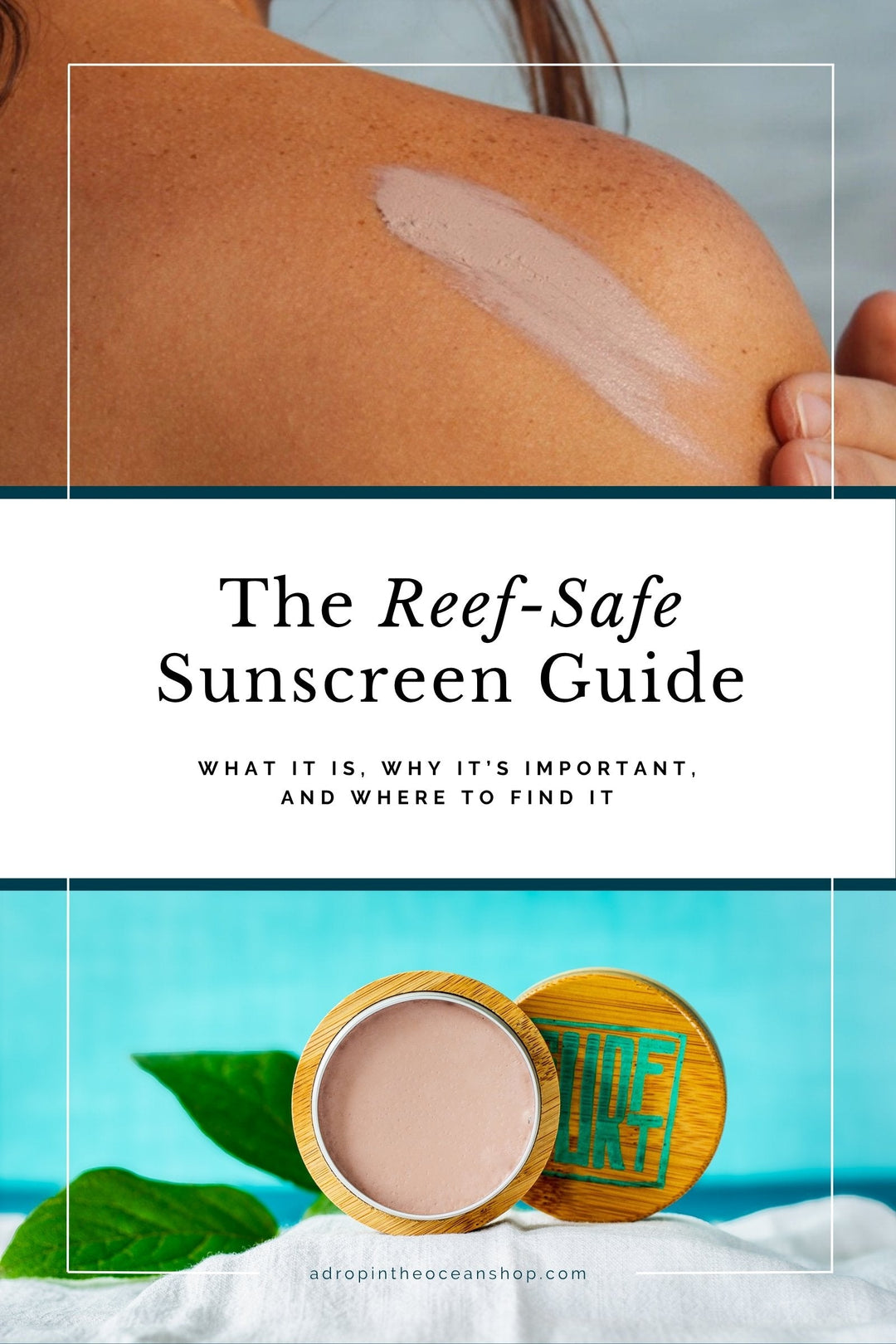
Summer is coming and that means vacays, beaches, and boatloads of sunscreen - so let's make it sustainable! What exactly is reef-safe sunscreen, how can you be sure a sunscreen is actually reef-safe, and why does it matter?

I just spent six days at the Vermilion Sea Field Station on our Baja EcoWarrior Retreat. This wasn’t the first time I’d visited the Field Station, but as I’ve reflected on this year’s Retreat and the impact it had on me, there’s one phrase that keeps coming up for me: Conservation is all of us. This wasn’t a theme of the trip. It wasn't even said on the trip. And yet…it’s all I can think about.


It’s officially that time of year when the leaves are changing color and starting to fall onto our lawns. As they start to accumulate over the grass, you may be tempted to rake them all up into piles, toss them in some bags, and leave them on the curb for trash pickup. But is that really the best way to manage the increased [natural] debris? Let's talk about it!


Let's talk about one of my favorite topics - the history of plastics and how we became such a plastic society. How did a material that is literally designed to last forever end up surrounding us in the form of straws, bags, bottles, utensils, and packaging that’s intended to be used for just minutes? The answer, my friend, is...


I first heard of the Lights Out for Migratory Birds program in 2017, and the more I learned about the program, the more interested I became. I discovered just how important programs such as these are for our wildlife - and for ourselves. So today I wanna share with you a bit about Lights Out, why it matters, and what we can all do to protect migratory birds from the comfort of our own homes.

Today, I want to tell you all about my favorite animal, the okapi. Because even though we're focused on waste and plastics around here most days, sometimes we could all use some cute animals and wildlife conservation in our lives. So what are okapi? And how can we protect them from home?


