




Blog

We're in our 4th and FINAL week in our deep dive into the impact of AI! Today, we're wrapping it all up by talking about the (non-environmental) risks associated with generative AI — and, most importantly, what we can each do about it. Let's dive in!

We're in Week 3 of 4 in our deep dive into the impact of AI! Today, we're talking all things water: how does AI consume water, how do data centers pollute local waterways, how much water does really AI use, and does your personal AI use really matter? Let's dive into it!

We're in Week 2 of our deep dive into the impact of AI! We started with what exactly AI is and how it works. Now, we're covering the energy consumption and carbon emissions of AI before getting into water consumption and impacts next week. And don't worry — we'll end this series by looking at actions you can take to counteract those impacts. Let's dive in with Part 2!

Over the next four weeks, we're doing a deep dive into every aspect of the impact of AI. Whether you're not quite sure what exactly AI is or how it works, are interested in the environmental impacts of AI, or looking for actions you can take to counteract those impacts, we're going to address all of those questions and so much more. Let's dive in with Part 1!

Composting is one of the coolest ways to reduce our impact on the planet. But how does composting work? Why should you compost? How do you get started? And then once you have compost, what do you do with it? EcoWarrior and ADITO Research Assistant, Fia, joins us to write a guest post on the subject.

We all know alternative energy sources are great, right?! Here in the PNW we get a lot of our energy from hydropower, but how sustainable are dams and hydropower really? What are the pros and cons, and how can we make the most environmentally-friendly choices as consumers? EcoWarrior Robb joins us to write a guest post on the subject.
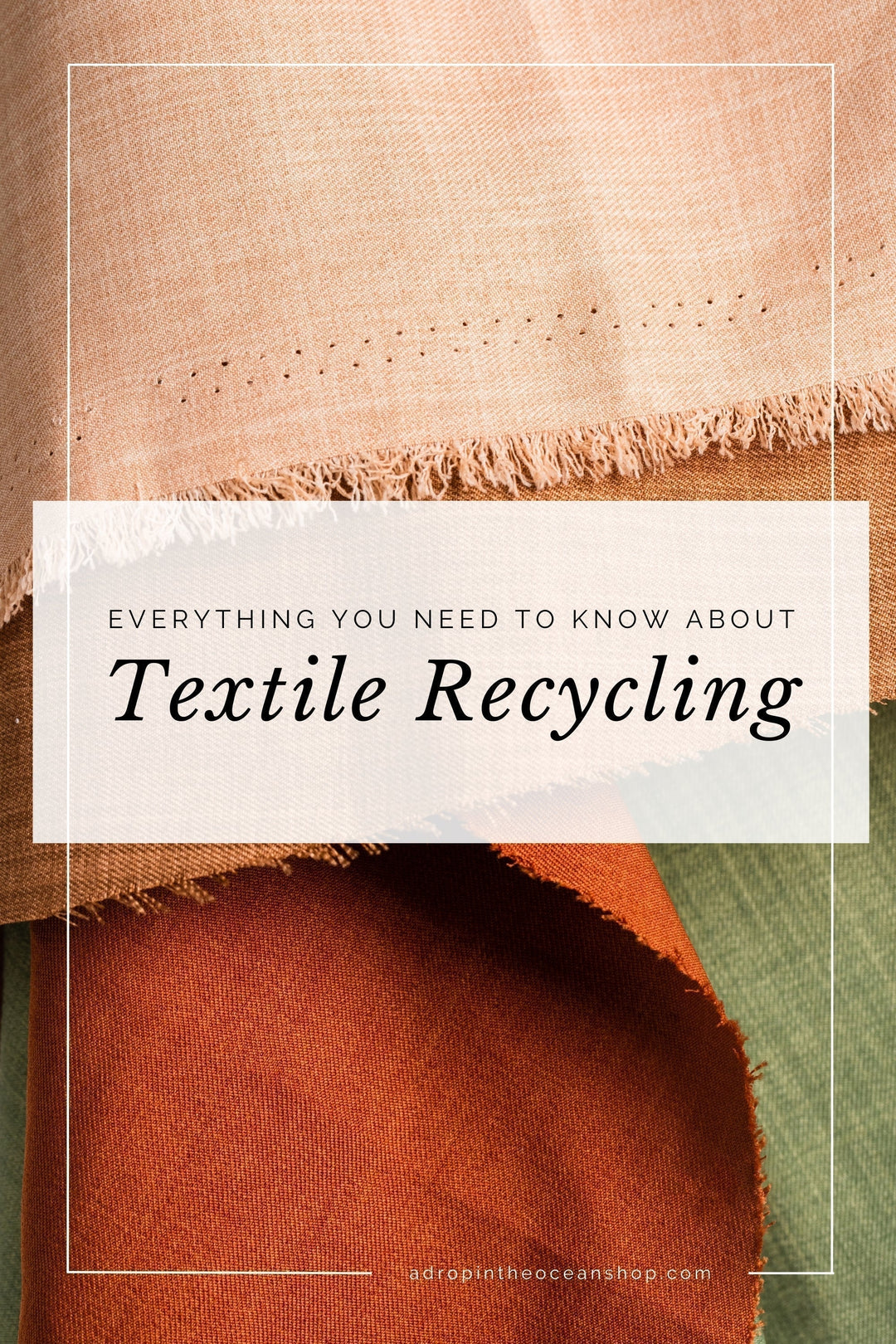
I have received countless questions about what to do with old, worn out clothes, and my answer has always been somewhere along the lines of “throw them in the trash can.” But are there better options? Does true textile and clothing recycling exist? Or are we all out here being bamboozled by companies trying to exploit our desire to do good? Let's dive into it.

Today is a big one - Earth Overshoot Day. It's the day each year that marks when we have used as many resources as the earth can provide us. But what does that actually mean, why does it matter, and what can we do about it?

Our business model is built on circularity, but is it *really* more sustainable to ship empty jars and bottles back to us to reuse rather than just recycling them locally? Short answer: yes! Longer answer: let’s dive into it.

Today, I wanted to take a look at how much money we’re currently spending to deal with all the trash we’re throwing away, compared to how much it would cost to prevent that waste from being produced in the first place. In short… What is the cost of preventing waste instead of dealing with it after it's made?

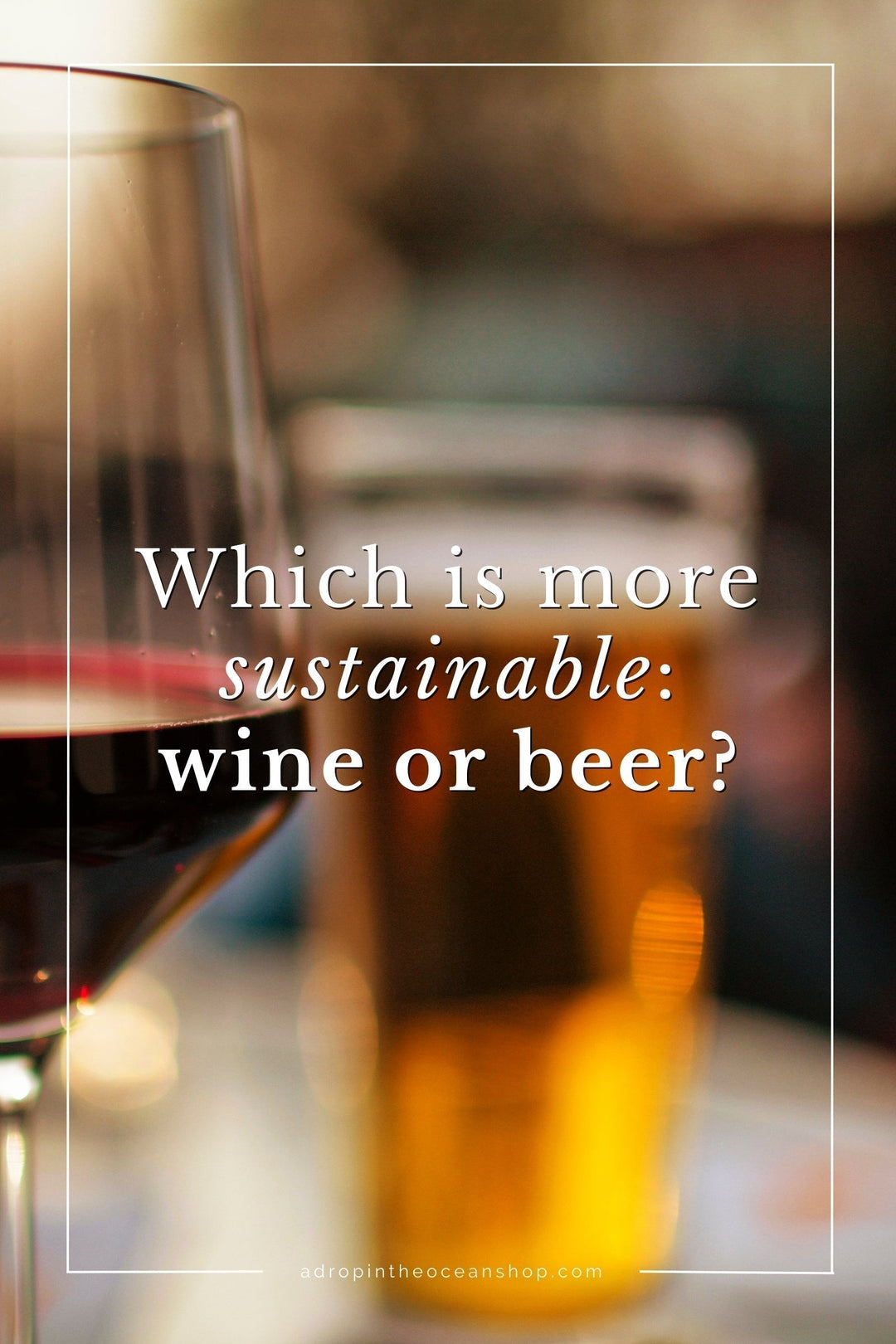
This week’s topic is one of those, “Does it *really* matter, Krystina?” kinda topics, but also just a lot of fun to think about and super interesting to research. In honor of International Beer Day this Friday, today we’re talking about the sustainability of wine versus beer…because why the heck not?? 😄

When I saw “Drying hands with paper towels vs air dryer,” on my potential list of blog topics, I thought to myself, “That shouldn’t be too complicated! I’m sure there are plenty of studies that give a clear answer to that!” Oh how wrong I was, friend... How wrong I was…

With the holidays upon us, I thought it might be time to talk about returns. It happens - sometimes we buy or receive things that just aren’t what we expected, and our first reaction is typically to send it back. But what happens to all of those returns? Are they really going to be sold as new, no harm done? Let’s dive into it.

Last week I had a truly bewildering interaction on Instagram. Which got me wondering...where's the "yes, and..." in the sustainability movement? We're all fighting for the same thing, so let's stop fighting each other. Here's the full story.


Along with Thanksgiving comes the inevitable bustle of Black Friday. It’s busy, it’s loud, it’s manipulative, and it’s wasteful. So this week, if you’re finding yourself tempted to buy something for the sale price, ask yourself these questions first...